A series of Public Interest Litigations (PILs) challenging the “marital rape exception” clause under Section 375 of the Indian Penal Code (IPC) have been heard by the Delhi High Court. The petitioners have sought the nullification of this exception and the complete criminalization of marital rape in India. The bench comprising Justice Rajiv Shakdher and Justice C. Hari Shankar has presided over these crucial hearings.
Key Contentions on Marital Rape
The Petitioners’ Arguments
Section 375 provides an exception stating: “Sexual intercourse by a man with his wife who is above the age of 15, is not sexual assault.”
- According to the petitioners, this exception violates a woman’s right to dignity, personal and sexual autonomy, and freedom of expression enshrined under the Constitution of India.
- The arguments draw strong support from the Justice J.S. Verma Committee Report (2013) and previous landmark Supreme Court judgments upholding bodily autonomy.
The State and Central Governments’ Stance
- Delhi Government: Argued that the exception to Section 375 does not violate the right to privacy and dignity of married women, noting that alternative criminal avenues (such as domestic violence laws) remain available.
- Central Government: Initially stated in affidavits that criminalizing marital rape could “destabilise the institution of marriage and become a tool for the harassment of husbands,” while later emphasizing the need for wider stakeholder consultations.
- Opposing Intervenors: NGOs like the Men’s Welfare Trust and men’s rights groups have actively opposed the petitions.
- Amicus Curiae: Senior advocates Rebecca John and Rajshekhar Rao submitted that nullifying Exception 2 does not amount to creating a new offence and that the judiciary possesses the constitutional competence to review it.
What is Marital Rape?
Though Indian statutory law lacks a specific definition for the term, in general jurisprudence, it describes a sexual act committed by a spouse without the other spouse’s consent. Since the IPC defines rape as an offence committed exclusively by a man against a woman, marital rape refers specifically to non-consensual sexual acts inflicted by a husband upon his wife.
The Present Legal Framework
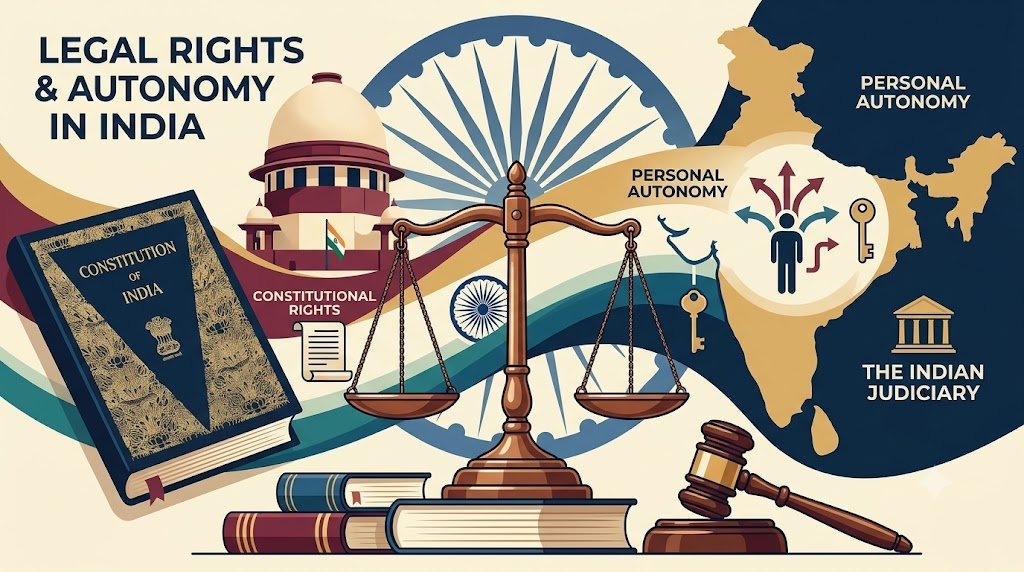
Section 375 of the IPC provides immunity to husbands where the wife is above 18 years of age (and above 15 years under transitional statutory provisions).
- Under Section 198(6) of the Code of Criminal Procedure, 1973, cognizance can only be taken if the wife is under 15 years of age or if the couple is living in judicial separation.
- Consequently, a husband currently has no explicit legal obligation under the penal code to secure his wife’s consent. Critics argue that the marriage ceremony effectively legalizes an act that would otherwise constitute rape if committed outside marriage.
Related Legal Provisions
- Section 9 of the Hindu Marriage Act: Pertains to the restitution of conjugal rights, obligating spouses to cohabit unless reasonable grounds exist. Its validity has faced challenges on grounds similar to marital rape.
- Sections 498A and 304B IPC: Address cruelty by a husband or relatives, though strictly linked to dowry demands.
- The Protection of Women from Domestic Violence Act, 2005: Offers a comprehensive civil remedy covering physical, mental, financial, and sexual abuse within a household.
- Sections 319–338 IPC: General penal provisions covering physical hurt, applicable equally to both spouses.
Why Marital Rape Should Be Punishable
- It violates fundamental rights to life with dignity, equality, and privacy under Article 21 and Article 14.
- Marriage cannot serve as an irrevocable license for forced sexual dominance.
- Over 52 countries globally, including neighboring Nepal, have criminalized marital rape, reflecting evolving international jurisprudence on human rights.
- Judicial opinions, such as the Gujarat High Court ruling in Nimeshbhai Bharatbhai Desai v. State of Gujarat (2018), emphasize that bodily autonomy applies to all women regardless of marital status.
Why Opposition Argues Against Criminalization
- Proving Consent: Establishing the presence or absence of consent within a private marital relationship presents severe evidentiary challenges.
- Misuse and Litigation Surge: Opponents argue it could trigger frivolous litigation or aggravate ongoing matrimonial disputes, overburdening the judicial system.
- Protection of Family Structure: Critics express concern that penalizing marital acts could destabilize the foundational social institution of the family.
Key Legal Questions Before the Court
- Defining Consent: Can “implied consent” in marriage be treated as irrevocable, or does a woman retain the absolute right to refuse?
- Intelligible Differentia: Does drawing a legal distinction between married and unmarried women under Article 14 remain constitutionally valid?
- Judicial vs. Legislative Role: Whether striking down the marital exception amounts to judicial overreach or constitutional interpretation.
Conclusion
The proceedings before the Delhi High Court highlight the complex balance between protecting personal liberty, ensuring gender equality, and preserving established statutory frameworks. As the debate continues, the judiciary’s approach remains focused on harmonizing constitutional morality with social realities.